
Description
OEM and Repalcement parts for Perkins, Caterpiller, Cummins, Volvo, John Deere, FPT (IVECO)
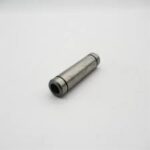
What is a Valve Guide?
A valve guide is a cylindrical component that guides the movement of an engine’s intake and exhaust valves. It’s typically made of a durable material like bronze or iron and is pressed into the cylinder head.
Why is it Important, Especially for Exhaust Valves?
- Precise Valve Movement: Ensures smooth and accurate valve operation, preventing premature wear and tear.
- Heat Dissipation: Helps to dissipate heat generated by the combustion process, especially crucial for exhaust valves that are exposed to high temperatures.
- Sealing: Contributes to the sealing of the combustion chamber, preventing gas leakage.
- Durability: Must withstand high temperatures, pressure, and friction, particularly for exhaust valves.
Common Issues and Maintenance
- Wear and Tear: Over time, valve guides can wear, leading to decreased engine performance and increased emissions.
- Heat Damage: Excessive heat can cause the valve guide to expand, leading to valve stem damage and potential engine failure.
- Carbon Buildup: Carbon buildup can affect the valve guide’s performance and lead to sticking valves.
Maintenance Tips:
- Regular Inspection: During engine maintenance, inspect valve guides for wear, damage, or carbon buildup.
- Replacement: If necessary, replace worn or damaged valve guides with high-quality aftermarket or OEM parts.
- Proper Lubrication: Ensure proper lubrication of the valve train to reduce friction and wear.
- High-Quality Fuel: Using high-quality fuel can help to reduce carbon buildup and other engine deposits.
By understanding the importance of valve guides and implementing proper maintenance practices, you can help ensure the long-term health and performance of your engine.

Reviews
There are no reviews yet.