
Description
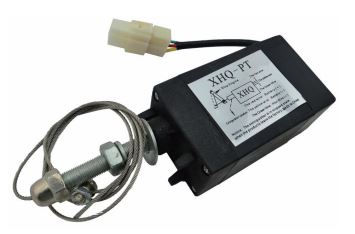
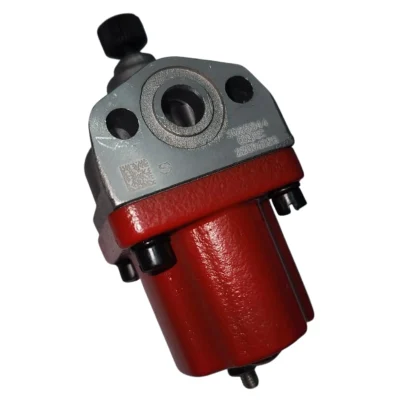
Engine Stop Solenoid Valve: A Vital Component for Reliable Engine Shutdown
Understanding the Engine Stop Solenoid Valve
An engine stop solenoid valve is a crucial component in many engine systems, particularly diesel engines. Its primary function is to control the fuel supply to the engine, allowing for precise and timely shutdown. When emergency stop solenoid valve activated, the valve interrupts the fuel flow, causing the engine to cease operation.
How Does it Work?
- Solenoid Coil: This electromagnetic coil receives an electrical signal, typically from the engine’s control module.
- Plunger: When energized, the solenoid coil generates a magnetic field, attracting a plunger.
- Valve Mechanism: The movement of the plunger triggers a mechanical mechanism that either blocks or opens the fuel supply line.
Key Applications
- Diesel Engines: Solenoid shut off valve Widely used in diesel engines for both on-road and off-road applications, including trucks, buses, construction equipment, and generators.
- Gasoline Engines: While less common in gasoline engines, solenoid valves can be used in certain systems, such as fuel injection and electronic throttle control.
Benefits of Using an Engine Stop Solenoid Valve
- Reliable Shutdown: Ensures a clean and efficient engine shutdown, preventing damage to the engine and emissions control systems.
- Remote Control: Allows for remote engine shutdown, providing added safety and convenience.
- Emergency Shutdown: Can be integrated into emergency shutdown systems to quickly stop the engine in case of hazardous conditions.
- Improved Fuel Economy: By optimizing the shutdown process, it can contribute to better fuel efficiency.
Common Issues and Troubleshooting
- Malfunction: A faulty solenoid valve can lead to engine failure to start or stop.
- Electrical Problems: Faulty wiring or electrical connections can hinder the valve’s operation.
- Mechanical Issues: Wear and tear on the valve’s mechanical components can affect its performance.
Troubleshooting Tips:
- Check Electrical Connections: Ensure all wires are securely connected and free of damage.
- Test the Solenoid Coil: Use a multimeter to verify the coil’s resistance and voltage.
- Inspect the Valve Mechanism: Look for any signs of physical damage or debris.
- Consult the Service Manual: Refer to the specific engine’s service manual for detailed troubleshooting procedures.
Conclusion
The engine stop solenoid valve is a vital component that plays a crucial role in ensuring the reliable and efficient operation of engines. By understanding its function and potential issues, you can effectively troubleshoot and maintain this essential part of your engine system.


Reviews
There are no reviews yet.